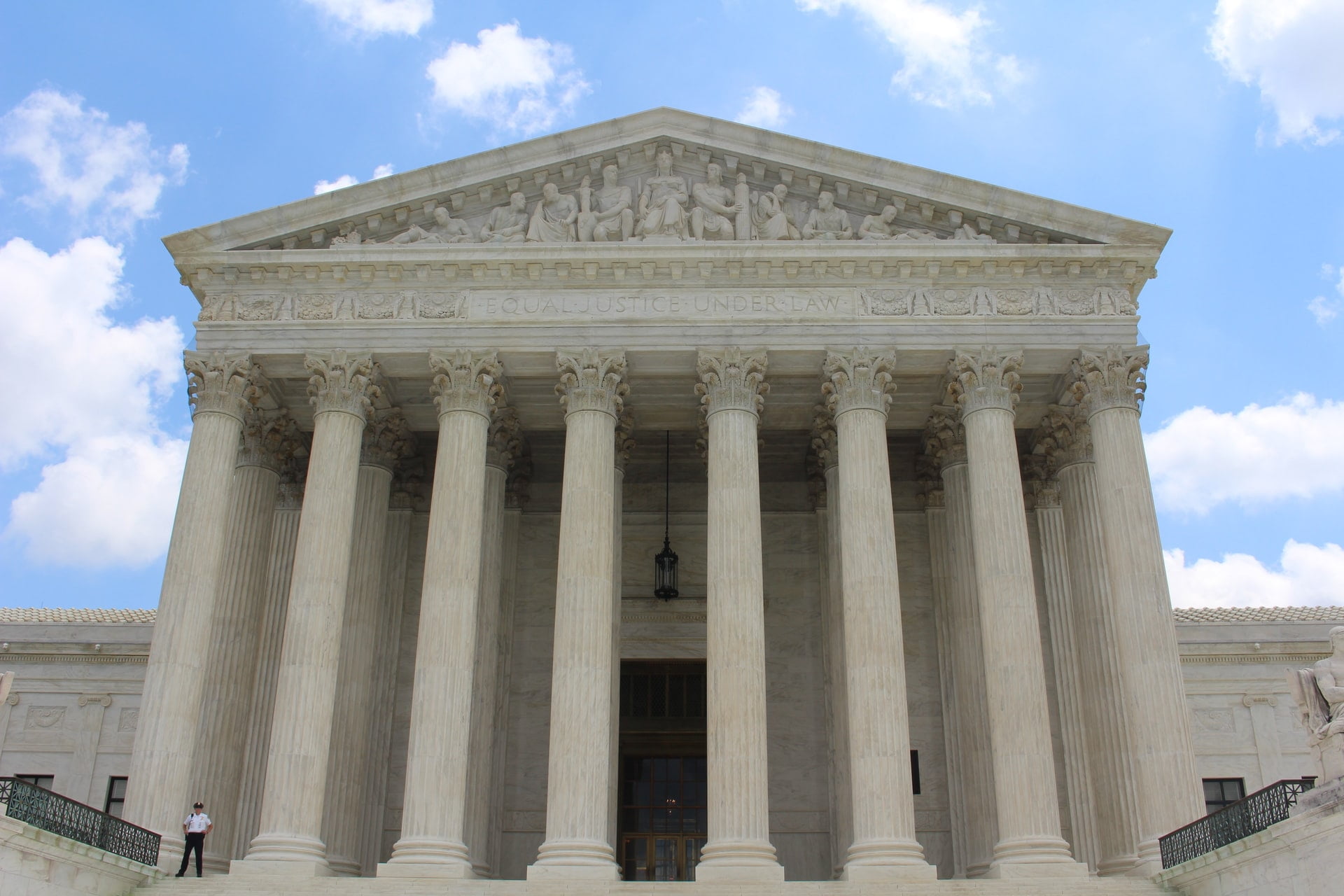
The Federal Bankruptcy Rule Amendments take effect on December 1, 2020, updating several core aspects of bankruptcy case management and appeals. These annual changes, adopted by the U.S. Supreme Court, have a significant impact on attorneys, creditors, and debtors who interact with the federal bankruptcy system.
This year’s Bankruptcy Procedure Changes 2020 are relatively modest, focusing on clarifying language, aligning bankruptcy rules with other federal rules, and streamlining court processes. Understanding these amendments is essential for anyone involved in bankruptcy cases, especially those handling Chapter 12 or Chapter 13 proceedings, bankruptcy appeals, or managing corporate disclosures.
Overview of the 2020 Federal Bankruptcy Rule Amendments
Every year, the Advisory Committee on Bankruptcy Rules reviews and recommends updates to the Federal Rules of Bankruptcy Procedure. These recommendations are adopted after approval from the U.S. Supreme Court, unless Congress objects. For 2020, only six amendments are scheduled, and each targets a specific area of bankruptcy practice.
The 2020 amendments focus on areas where practice and technology have evolved, such as the handling of electronically stored information and the use of electronic filing systems. Most significant changes affect bankruptcy appeals rules, with a few updates for Chapter 12 and Chapter 13 bankruptcy notices. The goal is to ensure clarity, efficiency, and consistency across federal procedures.
Attorneys, trustees, and creditors should review these amendments in detail to stay compliant and avoid procedural missteps.
Key Changes in Notices for Chapters 12 and 13
One of the more notable amendments applies to Rule 2002, which governs how and when notices are sent to creditors and other parties in bankruptcy cases. The new language specifically adds cases under Chapter 12 (family farmer bankruptcies) and Chapter 13 (wage earner bankruptcies) to the list of cases requiring notice of orders confirming repayment plans.
This is a practical update because previously, the rule did not clearly cover all plan confirmation orders for these chapters, sometimes leading to inconsistent practices between jurisdictions. Now, all stakeholders can expect to receive timely and uniform notices after a plan is confirmed in Chapter 12 or Chapter 13 cases.
Additionally, Rule 2002 now aligns its deadlines for giving notice about time limits to file proofs of claim with those in Rule 3002(c). This change removes confusion regarding when creditors need to act. The amendment also replaces the word “pursuant” with “under” throughout the rule, making bankruptcy procedures easier to understand and more accessible to non-lawyers.
Updating the Handling of Electronically Stored Information
With the explosion of digital records, the amendment to Rule 2004(c) addresses the modern realities of document discovery in bankruptcy cases. The rule now explicitly includes “electronically stored information” alongside physical documents. This language ensures that subpoenas and discovery requests in bankruptcy cases can properly demand electronic files, emails, databases, and other digital content.
Before this change, some parties argued about whether digital records were covered, leading to delays and unnecessary motions. By clarifying the scope, the rule now matches current best practices seen in federal civil litigation.
Another part of the amendment brings Rule 2004 into line with Federal Rule of Civil Procedure 45, which governs subpoenas. Subpoenas under Rule 2004 are now issued from the court where the bankruptcy case is pending and may be signed by any attorney authorized to practice there—even if the examination occurs in a different court district. This streamlines the process for attorneys and parties seeking information across jurisdictions.
Changes to Bankruptcy Appeals Rules
Bankruptcy appeals often involve complex procedural steps. The 2020 Federal Bankruptcy Rule Amendments introduce several targeted adjustments to improve clarity and consistency in the appeals process:
- Rule 8012: Corporate ownership disclosures must now use “corporations” instead of “corporate parties,” and the rule applies to any nongovernmental corporation seeking to intervene in an appeal. All debtors in the case—regardless of whether they’re listed in the caption—must be disclosed. Also, the disclosure statement must be updated promptly if the information changes.
- Rule 8013: The requirement for a proof of service is eliminated for appeals filed and served using the court’s electronic system, reflecting the move to digital filing.
- Rule 8015: Updated slightly to reflect the changes in Rule 8011(d) about electronic service and the new requirements in Rule 8012.
- Rule 8021: Drops the proof of service requirement, again because of the shift toward electronic court systems.
These changes reduce paperwork and the risk of technical errors, especially in cases involving multiple parties or large corporate entities.
Why These Amendments Matter: Practical Impacts
While the 2020 amendments might seem minor compared to larger overhauls, they address persistent frustrations in bankruptcy practice. For example, creditors will benefit from standardized notice timelines, reducing the risk of missing deadlines for filing claims. Attorneys will find it easier to comply with disclosure requirements in bankruptcy appeals and to issue subpoenas for electronic records.
These changes also align bankruptcy procedure with the broader trends in federal litigation, such as the widespread adoption of electronic filing and discovery of digital information. This harmonization means less confusion for practitioners who handle both bankruptcy and other federal cases.
Here’s a summary of the major changes and whom they affect:
| Rule | Main Change | Who Is Affected? |
|---|---|---|
| Rule 2002 | Expanded notice requirements for Chapters 12 & 13; aligned time periods; clearer language | Debtors, creditors, trustees |
| Rule 2004(c) | Adds electronically stored information; aligns subpoena process | Attorneys, parties seeking discovery |
| Rule 8012 | Broader corporate disclosure; covers intervenors; updates required | Appellants, corporate entities, counsel |
| Rule 8013 | Removes proof of service for electronic filings | Appeal filers, court staff |
| Rule 8015 | Reflects changes in electronic service and disclosure rules | Appellants, counsel |
| Rule 8021 | Eliminates proof of service for electronic filings | Appeal filers |
How to Prepare for the Bankruptcy Procedure Changes 2020
The Federal Bankruptcy Rule Amendments take effect automatically, so attorneys and court staff should update their procedures immediately. Here are some practical steps to ensure compliance:
- Review your templates and checklists for plan confirmation notices in Chapter 12 and 13 cases to reflect the new notice requirements.
- Update discovery procedures to include requests for electronically stored information in all document subpoenas under Rule 2004.
- Ensure all appellate filings include the expanded corporate disclosures and are ready to supplement those disclosures if ownership changes.
- Stop preparing proofs of service for appeals filed and served electronically, but confirm that all parties are indeed using the court’s ECF (Electronic Case Filing) system.
- Educate staff and clients about these changes, especially if you work with multiple districts or handle appeals across jurisdictions.
Many bankruptcy courts publish their own local rules and standing orders, so check for any local updates that might further implement or clarify these amendments.
Amendments Beyond Bankruptcy: Related Federal Rule Changes
The December 2020 rulemaking process also included changes to related federal rules outside of bankruptcy. Notably, Federal Rule of Appellate Procedure 26.1 was updated, prompting the bankruptcy appellate rules to match its new terminology and disclosure requirements. Additionally, Federal Rule of Civil Procedure 30(b)(6) was revised to require parties to meet and confer about the matters to be examined in a deposition, highlighting the broader movement toward cooperation and transparency in federal litigation.
These parallel changes signal a federal commitment to clarity and uniformity across different types of court proceedings. Practitioners who handle cases in multiple forums will appreciate the consistent terminology and expectations.
As always, the full text of these amendments—often with side-by-side redlines showing precise deletions and additions—is available directly from the U.S. Courts website. Reviewing the full amendments and committee notes gives important context for any nuanced procedural questions.
Frequently Asked Questions
What are the main Federal Bankruptcy Rule Amendments effective December 1, 2020?
The main amendments include expanded notice requirements for Chapter 12 and 13 plan confirmations, explicit inclusion of electronically stored information in discovery rules, updated corporate disclosure requirements for appeals, and the removal of proof of service requirements for filings made through electronic court systems.
How do the 2020 amendments affect creditors in bankruptcy cases?
Creditors will receive clearer and more timely notices when plans are confirmed in Chapter 12 and 13 cases, and will benefit from standardized deadlines to file proofs of claim. This reduces confusion and helps ensure that claims are filed on time.
Do the amendments affect how bankruptcy appeals are handled?
Yes. Several rule changes streamline appeals by updating disclosure requirements, removing paper proofs of service for electronic filings, and clarifying who must disclose corporate ownership and when updates are required.
What is the significance of including electronically stored information in Rule 2004?
This change recognizes the importance of digital records in modern litigation. It ensures that subpoenas can target electronic files, emails, and databases, aligning bankruptcy discovery with federal civil discovery standards.
Where can I find the full text and redline versions of the amendments?
The U.S. Courts website publishes the full amendments, often with redline comparisons and explanatory notes from the Advisory Committee. Reviewing these documents gives detailed insight into each change.
Conclusion
The Federal Bankruptcy Rule Amendments effective December 1, 2020, may not be sweeping, but they bring important updates for practitioners and parties in bankruptcy cases. From clearer notices in Chapter 12 and 13 cases to streamlined appeals and discovery, these Bankruptcy Procedure Changes 2020 keep the process modern and efficient. For attorneys and creditors, reviewing the amended rules and updating internal practices ahead of time will help prevent costly mistakes. Stay informed by consulting the U.S. Supreme Court Bankruptcy Rules and your local court’s guidance so you can manage bankruptcy cases smoothly and compliantly. If you have questions about how these amendments might affect your filings, consult an experienced bankruptcy attorney or reach out to your local bankruptcy court for clarification.